
Will My Spine Decompress If I Lose Weight?
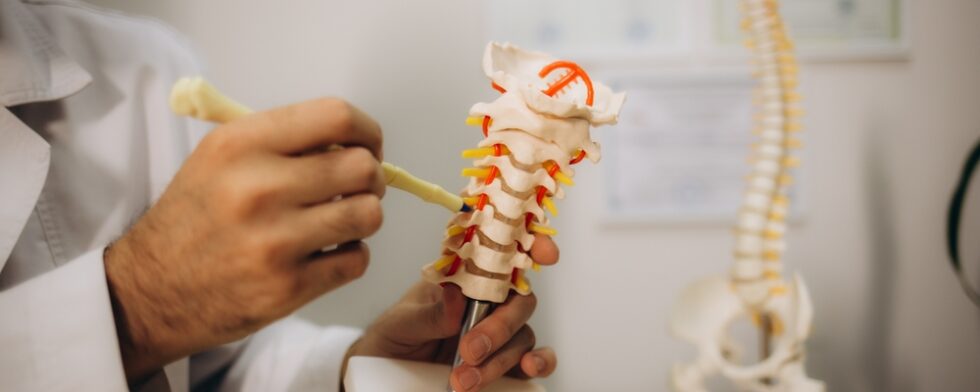
A bulging disc occurs when the inner disc material protrudes outward, often causing back or neck pain. Monitoring your symptoms is important to prevent complications. Recognizing when a bulging disc is worsening helps you seek timely medical care and avoid permanent nerve damage.
Increased Pain
One of the most obvious signs that a bulging disc is getting worse is an increase in pain. This may include…
- Persistent or intensifying back or neck pain
- Pain radiating to the arms, legs, or buttocks
- Sharp, shooting, or burning pain along a nerve pathway
Any sudden spike in pain, especially after lifting, twisting, or sudden movements, can indicate increased disc pressure or nerve irritation.
Numbness Or Tingling
Nerve compression from a worsening bulging disc can cause numbness or tingling. Warning signs include…
- Loss of sensation in hands, arms, feet, or legs
- Persistent pins-and-needles feeling in extremities
- Symptoms that worsen during certain positions or movements
Weakness Or Loss Of Function
Muscle weakness may indicate that the disc is pressing on a nerve more severely. Signs to watch for include…
- Difficulty lifting objects or gripping items
- Weakness in the legs or feet when walking or standing
- Frequent dropping of objects or stumbling
These symptoms suggest that nerve signals are impaired and require immediate evaluation.
Changes In Bladder Or Bowel Function
Severe nerve compression may affect bladder or bowel control. Red flags include…
- Loss of control over urination or bowel movements
- Urgent or frequent urination without normal control
- Numbness around the pelvic or groin area
These symptoms may indicate cauda equina syndrome, a medical emergency.
Reduced Mobility
As a bulging disc worsens, the range of motion may decrease. Indicators include…
- Difficulty bending, twisting, or turning the neck or back
- Stiffness that worsens over time
- Limited ability to perform daily activities
When To Seek Medical Attention
If you notice any of the following, contact a healthcare provider promptly.
- Increasing or severe pain that does not improve with rest
- Numbness, tingling, or weakness in limbs
- Loss of bladder or bowel control
- Sudden worsening after an injury or fall
Early intervention can prevent permanent nerve damage and improve recovery outcomes.
You can know if a bulging disc is getting worse by monitoring for increased pain, numbness or tingling, muscle weakness, changes in bladder or bowel function, and reduced mobility. Prompt medical evaluation is essential to prevent complications and ensure proper treatment.