
When To Be Concerned About A Bulging Disc?
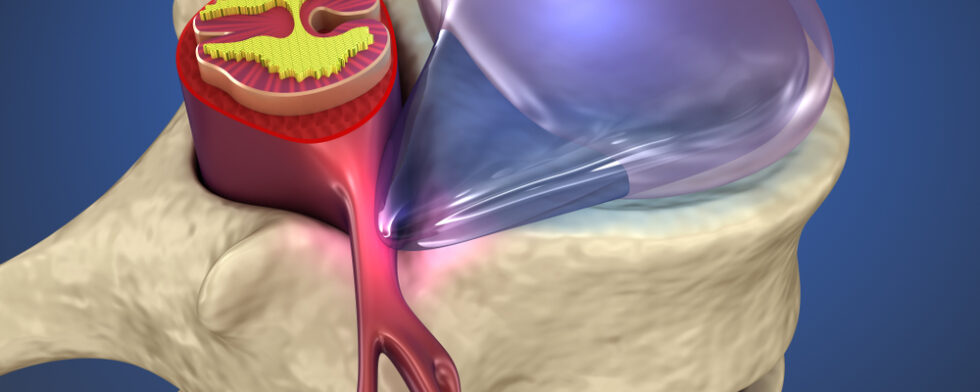
A bulging disc is a common spinal condition, and many people have one without knowing it. In many cases, symptoms are mild and improve with rest and conservative care. Yet, there are situations where a bulging disc may signal a more serious problem and should not be ignored.
Persistent Or Worsening Pain
Occasional back or neck discomfort is common, but ongoing pain may indicate that the disc is irritating nearby nerves.
- Pain lasting longer than several weeks
- Pain that intensifies instead of improving
- Pain that interferes with sleep or daily activities
Chronic pain suggests the condition may not resolve on its own and needs professional evaluation.
Pain Radiating Into Arms Or Legs
Radiating pain is a key sign that a bulging disc is affecting a nerve root.
- Sharp or burning pain down one arm or leg
- Pain that follows a specific nerve pathway
- Symptoms that worsen with coughing or bending
This type of pain is more concerning than localized soreness and often indicates nerve compression.
Numbness Or Tingling
Sensory changes are a warning sign that nerves are under pressure.
- Numbness in fingers, hands, toes, or feet
- Tingling or pins and needles sensations
- Reduced ability to feel temperature or touch
These symptoms should not be dismissed, especially if they persist or spread.
Muscle Weakness
Weakness is one of the most important signs to take seriously.
- Difficulty lifting the foot or gripping objects
- Legs giving way while walking
- Loss of coordination or balance
Muscle weakness suggests that nerve signals are being disrupted and requires prompt medical attention.
Loss Of Bladder Or Bowel Control
This is a medical emergency and requires immediate care.
- Inability to control urination
- Sudden bowel incontinence
- Numbness in the groin or inner thighs
These symptoms may indicate severe nerve compression and should be treated urgently.
Pain That Does Not Respond To Conservative Care
Most bulging discs improve with rest, physical therapy, and activity modification.
- No improvement after several weeks of treatment
- Symptoms returning quickly after short relief
- Increasing dependence on pain medication
Lack of response to conservative care suggests further evaluation may be needed.
History Of Trauma Or Injury
If symptoms begin after an accident or fall, the risk of structural damage is higher.
- Car accidents or sports injuries
- Sudden impact or heavy lifting injury
- Rapid onset of severe symptoms
Trauma-related disc issues should always be assessed by a healthcare professional.
You should be concerned about a bulging disc if pain persists, spreads to the arms or legs, causes numbness or weakness, or affects bladder or bowel control. While many bulging discs are manageable, recognizing warning signs early helps prevent long-term nerve damage and improves treatment outcomes.