
What Shouldn’t You Do With A Bulging Disc?
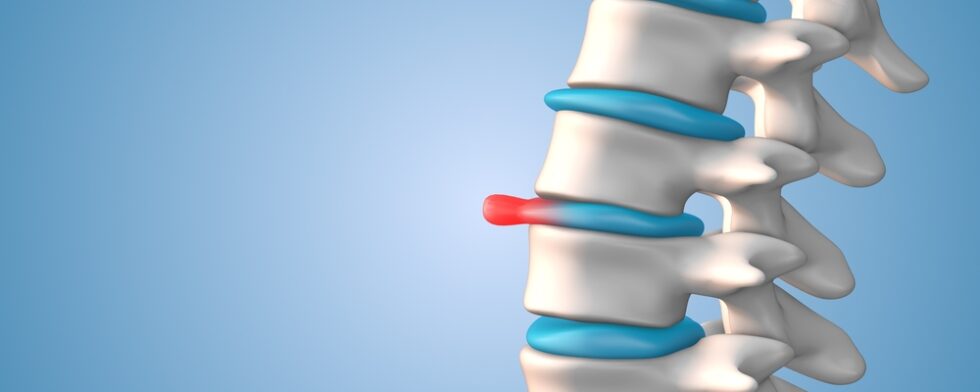
A bulging disc occurs when a spinal disc extends beyond its normal boundary and may irritate nearby nerves. While many bulging discs improve with conservative care, certain activities and habits can worsen symptoms or slow recovery. Knowing what to avoid is essential for protecting your spine and preventing further damage.
Avoid Heavy Lifting & Sudden Movements
Heavy lifting places increased pressure on spinal discs and can aggravate a bulge. Sudden or jerking movements may also increase disc stress.
- Avoid lifting heavy objects, especially from the floor
- Do not twist your spine while lifting or carrying items
- Avoid sudden bending, reaching, or pulling motions
If lifting is unavoidable, use proper technique by bending at the knees and keeping the object close to your body.
Avoid Prolonged Sitting
Sitting for long periods increases pressure on spinal discs, especially in the lower back. Poor posture can further strain the spine.
- Avoid sitting for extended periods without breaks
- Do not slouch or sit with poor lumbar support
- Avoid low or soft chairs that encourage poor posture
Standing, walking, and changing positions regularly can help reduce disc pressure.
Avoid High Impact Activities
High-impact exercises can worsen a bulging disc by increasing spinal compression.
- Avoid running on hard surfaces
- Avoid jumping exercises or plyometrics
- Avoid contact sports during recovery
Low-impact activities such as walking, swimming, or guided stretching are generally safer options.
Avoid Ignoring Pain Or Nerve Symptoms
Pain is an important warning sign. Ignoring symptoms can allow the condition to worsen.
- Do not push through sharp or worsening pain
- Avoid continuing activities that increase numbness or tingling
- Do not ignore weakness in the arms or legs
Progressive nerve symptoms should be evaluated by a healthcare professional.
Avoid Poor Sleeping Positions
Sleeping positions can affect spinal alignment and disc pressure.
- Avoid sleeping on your stomach, which strains the spine
- Avoid mattresses that are too soft or unsupportive
- Do not sleep without proper pillow support for the neck and lower back
Sleeping on your back or side with proper support helps maintain spinal alignment.
Avoid Unsuitable Treatments
Not all treatments are appropriate for a bulging disc.
- Avoid aggressive manipulation without proper evaluation
- Do not self-treat with unapproved traction devices
- Avoid exercises that involve deep spinal twisting or heavy loading
All treatments should be guided by a qualified healthcare provider.
With a bulging disc, you should avoid heavy lifting, prolonged sitting, high-impact activities, ignoring pain, poor sleeping positions, and unsuitable treatments. Protecting your spine and following professional guidance can reduce symptoms, prevent progression, and support long-term recovery.