
What Should I Avoid During Decompression?
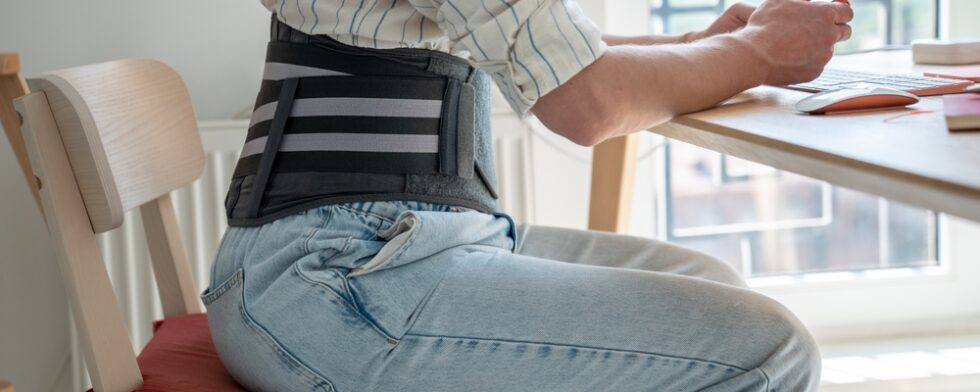
Spinal decompression is commonly used to relieve pressure on spinal discs, nerves, and joints. Whether performed through chiropractic care, physical therapy, or medical traction, decompression places the spine in a controlled stretching state. While this can support disc healing, certain activities and habits can interfere with results or increase discomfort if not avoided.
Avoid High Impact Activities
During decompression therapy, the spinal tissues are more sensitive to stress. High-impact movements can reverse progress.
- Running on hard surfaces
- Jumping or plyometric exercises
- Contact sports or sudden directional changes
These activities increase spinal compression and may irritate discs that are attempting to recover.
Avoid Heavy Lifting
Lifting heavy objects places direct pressure on spinal discs, especially in the lower back.
- Avoid lifting heavy boxes or equipment
- Do not perform deadlifts or squats with weight
- Avoid twisting while carrying objects
If lifting is unavoidable, keep objects close to your body and use your legs rather than your back.
Avoid Poor Sitting Posture
Extended sitting with poor posture can counteract decompression benefits.
- Slouching or leaning forward for long periods
- Sitting without lumbar support
- Remaining seated without movement breaks
Improper posture increases disc pressure and reduces the effects of decompression sessions.
Avoid Sudden Stretching Or Self-Traction
It may feel tempting to stretch aggressively or hang from bars to increase decompression.
- Avoid forceful spinal twisting
- Avoid unsupervised traction devices
- Do not overstretch beyond comfort
Excessive or uncontrolled stretching can irritate spinal joints, ligaments, and nerves.
Avoid Skipping Rest & Recovery
Decompression works best when the body has time to adapt and heal.
- Avoid overexercising between sessions
- Do not ignore soreness or fatigue
- Avoid poor sleep habits
Rest allows discs to rehydrate and surrounding muscles to stabilize the spine.
Avoid Inconsistent Treatment Habits
Consistency is important for decompression to be effective.
- Avoid missing scheduled sessions frequently
- Do not stop therapy early without guidance
- Avoid mixing conflicting treatments without advice
Irregular care can slow progress and reduce symptom improvement.
Avoid Red Flag Symptoms Being Ignored
Some symptoms require immediate attention.
- Worsening pain after multiple sessions
- Numbness or weakness spreading into the arms or legs
- Loss of bladder or bowel control
These signs may indicate a condition that requires medical evaluation rather than continued decompression.
During spinal decompression, you should avoid high-impact activities, heavy lifting, poor posture, aggressive stretching, and inconsistent care. Decompression is most effective when combined with proper movement, rest, and professional guidance. Avoiding these common mistakes helps protect your spine and supports safer, more effective recovery.