
What Can Be Mistaken For A Herniated Disc?
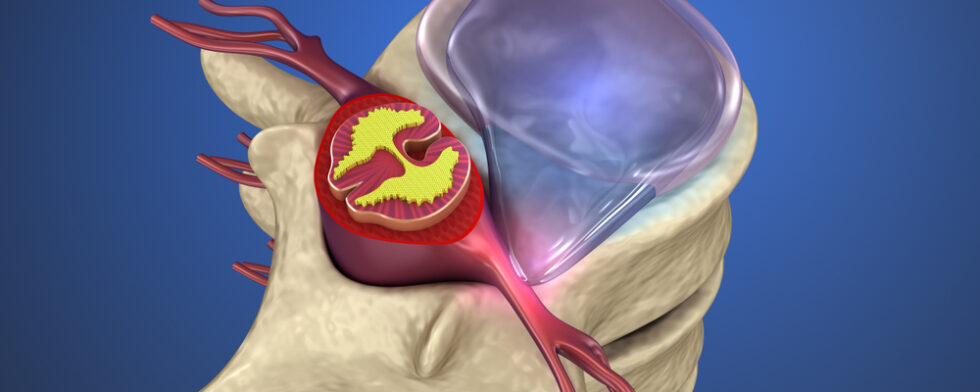
A herniated disc is a common cause of back and nerve pain, but it is not the only condition that can produce similar symptoms. Pain, numbness, tingling, or weakness can come from many structures in the spine and surrounding tissues. Because symptoms often overlap, several conditions are frequently mistaken for a herniated disc.
Muscle Strain Or Ligament Sprain
Muscle and ligament injuries are among the most common causes of back pain and are often confused with disc problems.
- Localized pain that worsens with movement
- Muscle tightness or spasms
- Pain after lifting or sudden movement
Unlike a herniated disc, muscle injuries do not cause persistent numbness or weakness and often improve within a few days or weeks.
Sciatica Without Disc Herniation
Sciatica refers to pain that radiates along the sciatic nerve, usually down one leg. While a herniated disc is a common cause, other issues can compress or irritate the nerve.
- Piriformis syndrome
- Spinal joint inflammation
- Muscle tightness near the pelvis
These conditions can mimic disc-related nerve pain without actual disc damage.
Spinal Stenosis
Spinal stenosis occurs when the spinal canal narrows, placing pressure on nerves.
- Leg pain or numbness during walking
- Relief when sitting or bending forward
- Gradual symptom onset over time
Stenosis often affects older adults and can feel very similar to a herniated disc, especially in the lower back.
Degenerative Disc Disease
Degenerative disc disease involves the gradual breakdown of spinal discs rather than sudden disc herniation.
- Chronic aching or stiffness
- Pain that worsens with prolonged sitting
- Reduced spinal flexibility
Imaging studies are required to distinguish between degeneration and herniation.
Facet Joint Syndrome
Facet joints connect the vertebrae and allow spinal movement. Inflammation or arthritis in these joints can cause pain similar to a disc issue.
- Pain with twisting or bending
- Localized back or neck pain
- Limited range of motion
Facet joint pain typically does not cause severe nerve symptoms unless swelling irritates nearby nerves.
Hip Or Sacroiliac Joint Problems
Pain originating from the hip or sacroiliac joint can radiate into the lower back or leg.
- Pain when standing or walking
- Discomfort on one side of the lower back
- Pain that changes with weight bearing
These conditions are frequently misdiagnosed as lumbar disc herniation.
Peripheral Nerve Conditions
Nerve problems outside the spine can also resemble disc-related symptoms.
- Peripheral neuropathy
- Nerve entrapment syndromes
- Diabetic nerve pain
These conditions may cause tingling or numbness without spinal disc involvement.
Muscle strains, sciatica without disc injury, spinal stenosis, degenerative disc disease, facet joint problems, hip disorders, and peripheral nerve conditions can all be mistaken for a herniated disc. Accurate diagnosis often requires a physical exam and imaging studies to ensure the correct condition is treated and unnecessary interventions are avoided.