
What Are The Red Flags Of A Herniated Disc?
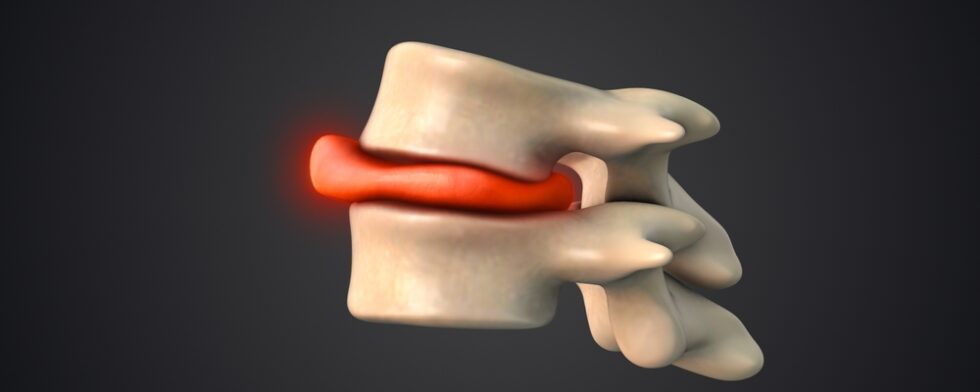
A herniated disc occurs when the soft inner material of a spinal disc pushes through the outer layer. While mild cases may improve with rest and therapy, certain symptoms indicate serious nerve or spinal involvement that requires immediate attention.
Severe Or Worsening Pain
Persistent or escalating pain that does not improve with rest, medication, or gentle movement is a warning sign. Pain may be localized to the back or neck, or radiate into the arms or legs, depending on the disc affected.
Numbness Or Tingling
Nerve compression from a herniated disc can cause tingling, pins and needles, or numbness in extremities. Symptoms often follow the path of the affected nerve and may affect the hands, fingers, legs, or feet.
Muscle Weakness
Weakness in the arms or legs can indicate nerve involvement. Difficulty lifting objects, gripping, walking, or maintaining balance are warning signs that the herniation may be affecting motor function.
Loss Of Bladder Or Bowel Control
This is a serious red flag called cauda equina syndrome. Incontinence or difficulty controlling urination or bowel movements requires immediate medical attention to prevent permanent nerve damage.
Sudden Onset After Trauma
A herniated disc following an accident, fall, or heavy lifting may pose additional risk. Sudden severe pain combined with weakness, numbness, or loss of control should be evaluated urgently.
Limited Range Of Motion
Inability to move the neck, back, or limbs normally without severe pain can signal a more significant disc problem. This includes difficulty bending, twisting, or lifting due to nerve or spinal compression.
Other Warning Signs
- Pain that worsens at night or interrupts sleep
- Numbness or weakness increasing over time
- Difficulty walking or maintaining balance
- Pain that radiates beyond the immediate area of the spine
Red flags of a herniated disc include severe or worsening pain, numbness, tingling, muscle weakness, loss of bladder or bowel control, and limited range of motion. Immediate medical evaluation is necessary when these symptoms appear to prevent long-term nerve damage and ensure proper treatment.