
What Are The 5 Stages Of A Herniated Disc?
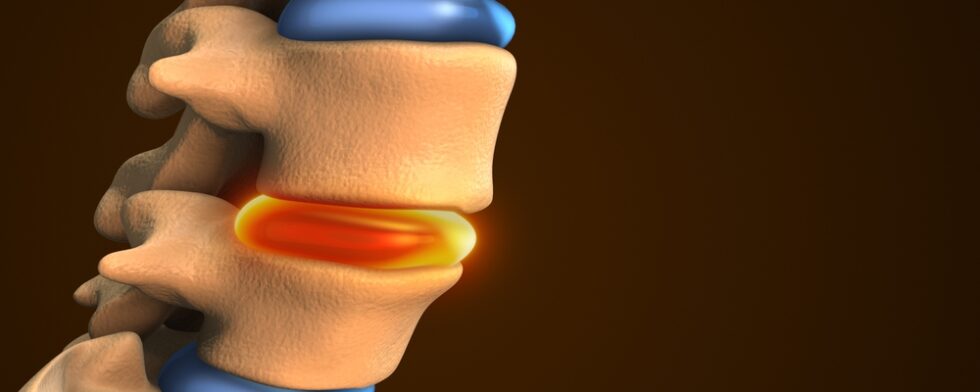
A herniated disc occurs when the soft inner portion of a spinal disc pushes through its outer layer. This can lead to pain, numbness, or weakness depending on nerve involvement. Herniated discs progress through distinct stages, each representing increasing severity of disc displacement.
Stage 1 Bulging Disc
In the first stage, the disc begins to bulge outward, but the outer layer, called the annulus fibrosus, remains intact.
- May cause mild or no symptoms
- Disc shape changes, but the nucleus pulposus stays contained
- Symptoms are often limited to stiffness or mild discomfort
This stage is often managed with conservative treatments like physical therapy, posture correction, and activity modification.
Stage 2 Disc Protrusion
In this stage, the disc’s inner material pushes further into the outer layer, creating a protrusion.
- Outer annulus remains mostly intact
- Pressure on nearby nerves may cause pain or tingling
- Discomfort can radiate to the arms or legs, depending on the disc location
Physical therapy, anti-inflammatory medication, and gentle chiropractic care may help relieve symptoms at this stage.
Stage 3 Disc Extrusion
Extrusion occurs when the inner disc material breaks through the annulus fibrosus but remains connected to the disc.
- More significant nerve compression is common
- Sharp pain, numbness, or weakness may appear
- Symptoms often require more targeted treatment
Medical management may include stronger pain control, specialized therapy, or decompression techniques to reduce nerve pressure.
Stage 4 Sequestration
Sequestration is the most severe stage. Disc material has broken free from the disc and may move within the spinal canal.
- It can cause intense pain and neurological symptoms
- Risk of permanent nerve damage if untreated
- Surgical intervention is often considered at this stage
Prompt evaluation by a spine specialist is crucial to prevent long-term complications.
Stage 5 Disc Degeneration
Over time, the herniated disc may begin to degenerate, losing water content and height.
- Disc becomes less flexible and more prone to further injury
- Chronic pain or stiffness may develop
- Long-term management includes rehabilitation, posture training, and sometimes surgical options
Degenerative changes can also affect adjacent discs and vertebrae, making ongoing care important.
The 5 stages of a herniated disc are bulging, protrusion, extrusion, sequestration, and degeneration. Early detection and appropriate management are essential to prevent worsening symptoms and long-term nerve damage. Conservative treatment is often effective in the early stages, while advanced stages may require surgical intervention.