
What Activities Should I Avoid With A Bulging Disc?
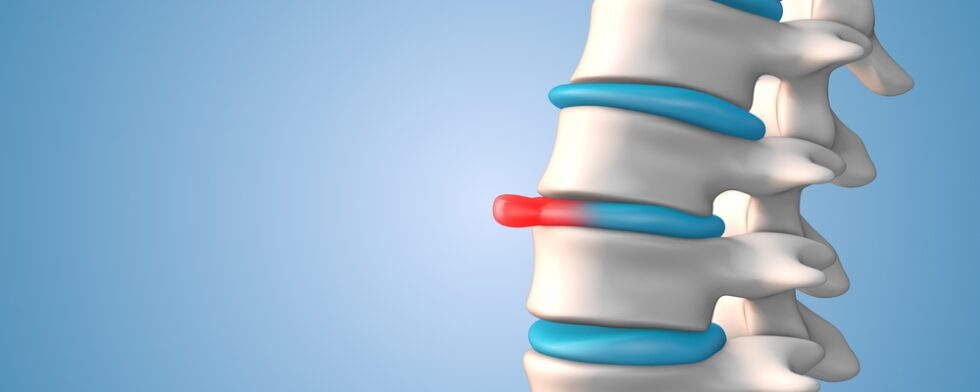
A bulging disc occurs when a spinal disc extends beyond its normal position and may irritate nearby nerves. While many people recover with conservative care, certain activities can worsen symptoms, increase disc pressure, and delay healing. Knowing what to avoid is essential for protecting your spine and preventing long-term complications.
Heavy Lifting & Improper Lifting
Lifting heavy objects places significant stress on the lower back and spinal discs.
- Lifting heavy weights without proper form
- Bending at the waist instead of the knees
- Sudden or jerking lifting motions
Improper lifting increases disc pressure and can push a bulging disc further outward, worsening nerve irritation.
Twisting & Rotational Movements
Twisting motions can strain the spine and aggravate disc problems.
- Sudden torso rotation
- Sports that involve repeated twisting, such as golf or tennis
- Turning while lifting or carrying weight
Rotational stress places uneven forces on the disc, increasing the risk of progression or flare-ups.
High-Impact Activities
Impact forces travel directly through the spine and can intensify disc symptoms.
- Running on hard surfaces
- Jumping exercises
- Contact sports
- High-impact aerobics
These activities compress the spine repeatedly and may worsen pain or nerve compression.
Prolonged Sitting Or Poor Posture
Sitting for long periods significantly increases pressure on spinal discs.
- Extended desk work without breaks
- Slouching or leaning forward
- Sitting on soft or unsupportive surfaces
Poor posture places continuous strain on the lower back and can delay disc recovery.
Deep Bending & Forward Flexion
Excessive bending forward can aggravate a bulging disc.
- Toe touches
- Deep forward stretches
- Bending repeatedly for daily tasks
Forward flexion increases pressure on the front of the disc and pushes it backward toward the spinal nerves.
Unsuitable Exercises
Some exercises may seem helpful, but can worsen disc symptoms.
- Sit-ups and crunches
- Heavy deadlifts or squats
- Exercises that cause sharp or radiating pain
Exercises should focus on core stability and neutral spine positioning rather than aggressive movement.
Sudden Or Uncontrolled Movements
Quick movements can trigger pain flare-ups.
- Sudden changes in direction
- Quick bending or reaching
- Unexpected slips or missteps
Controlled and deliberate movement helps protect the spine during recovery.
Activities To Replace Instead
While avoiding harmful activities, safer alternatives can support healing.
- Walking on flat surfaces
- Swimming or water therapy
- Gentle stretching approved by a professional
- Core strengthening exercises with proper guidance
With a bulging disc, you should avoid heavy lifting, twisting, high-impact exercise, prolonged sitting, deep bending, and uncontrolled movements. These activities increase disc pressure and can worsen symptoms. Choosing low-impact activities, maintaining proper posture, and following professional guidance help protect your spine and support long-term recovery.