
Is Hanging For Spine Decompression Good?
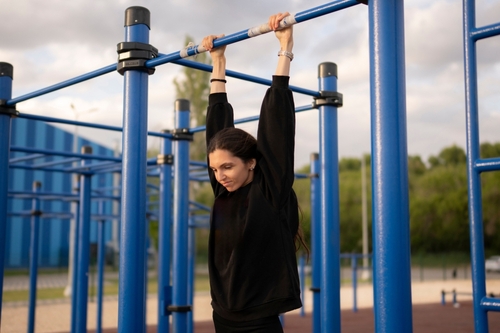
Hanging for spine decompression, also known as spinal traction or inversion therapy, involves using your body weight to gently stretch the spine. Many people use this method to relieve back tension and improve spinal mobility. While it can offer benefits, it is not suitable for everyone and should be used with caution.
Potential Benefits
Hanging for decompression may provide some advantages.
- Reduces spinal pressure – Gently stretches the vertebrae, reducing compression on discs and nerves
- Improves posture – Helps elongate the spine and reduce slouching over time
- Relieves muscle tension – Eases tight back muscles by stretching supporting structures
- Enhances circulation – Increased blood flow may support healing and nutrient delivery to discs
Many people report temporary relief from pain and stiffness after short sessions of hanging.
Risks & Precautions
Hanging is commonly safe for healthy individuals, but some risks exist.
- Joint or ligament strain – Hanging too long or with excessive force can stress shoulders, wrists, or spine
- Increased pain – Pre-existing disc injuries may worsen if the spine is overextended
- Dizziness or lightheadedness – Hanging upside down or in an inversion position can affect blood pressure
- Not recommended – People with osteoporosis, fractures, herniated discs with severe symptoms, high blood pressure, or cardiovascular issues should avoid hanging
Starting slowly and limiting time to a few minutes per session helps reduce risks.
Proper Technique
For safe hanging therapy,
- Use a secure bar, inversion table, or specialized traction device
- Keep a slight bend in the knees to reduce lower back strain
- Start with 30 seconds to 2 minutes per session and gradually increase if comfortable
- Stop immediately if pain, numbness, or discomfort increases
- Consult a healthcare professional before starting if you have spine problems
When To Seek Professional Guidance
If you have a diagnosed disc bulge, herniation, or chronic back pain, it is important to get professional guidance before attempting hanging therapy. A physical therapist or chiropractor can recommend safe techniques and durations specific to your condition.
Hanging for spine decompression can provide temporary relief from spinal pressure, improve posture, and relax muscles. Yet, it carries risks if done incorrectly or with certain medical conditions. Proper technique, gradual progression, and professional guidance ensure safety and effectiveness.