
Is Chiropractic Spinal Decompression Safe?
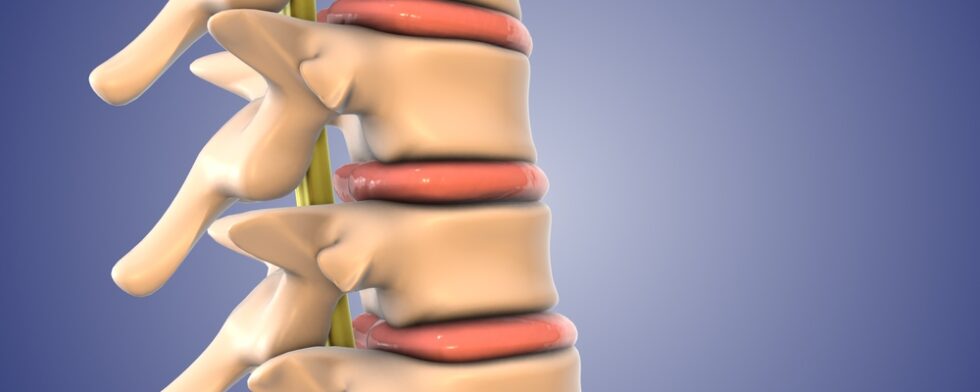
Chiropractic spinal decompression is a non-surgical therapy designed to relieve pressure on spinal discs and nerves. Many patients want to know if it is safe and what risks may be involved. Overall, it is considered safe for most patients when performed by a trained professional under proper supervision.
Safety & Benefits
Chiropractic spinal decompression is generally low-risk and non-invasive. Key benefits that contribute to its safety profile include…
- Gentle stretching of the spine reduces nerve compression without surgery
- Adjustable traction allows for controlled force tailored to the patient
- Non-invasive nature eliminates risks associated with anesthesia and incisions
- Sessions are closely monitored by trained chiropractors
Most patients experience mild to moderate stretching sensations and may feel temporary soreness similar to post-exercise discomfort.
Potential Risks & Side Effects
Although normally safe, some patients may experience minor side effects.
- Mild soreness or stiffness in the back or neck
- Temporary headache or muscle tension
- Tingling or numbness if nerves are sensitive
- Rarely, worsening of symptoms if pre-existing conditions are severe
Serious complications are extremely uncommon but can occur in patients with severe osteoporosis, spinal fractures, tumors, or advanced disc degeneration.
Precautions Before Treatment
Chiropractors perform a thorough assessment to determine if spinal decompression is appropriate. Precautions include…
- Reviewing medical history and imaging results
- Identifying conditions such as severe osteoporosis, fractures, infections, or cancer
- Tailoring the force and duration of each session to the patient’s tolerance
- Starting with shorter sessions and gradually increasing traction
When To Avoid Chiropractic Decompression
Chiropractic spinal decompression may not be suitable for patients who have…
- Severe spinal instability or fractures
- Recent spinal surgery without clearance from a surgeon
- Severe osteoporosis or bone weakness
- Spinal infections or tumors
- Severe nerve compression causing significant loss of function
In these cases, other medical interventions may be safer and more effective.
Chiropractic spinal decompression is generally safe for most patients when performed by trained professionals. Minor side effects like soreness or tingling may occur, but serious complications are rare. Proper evaluation, patient selection, and careful technique ensure safety and maximize the benefits of this non-invasive treatment for back and neck conditions.