
How Do You Fix A Bulging Disc In The Lower Back?
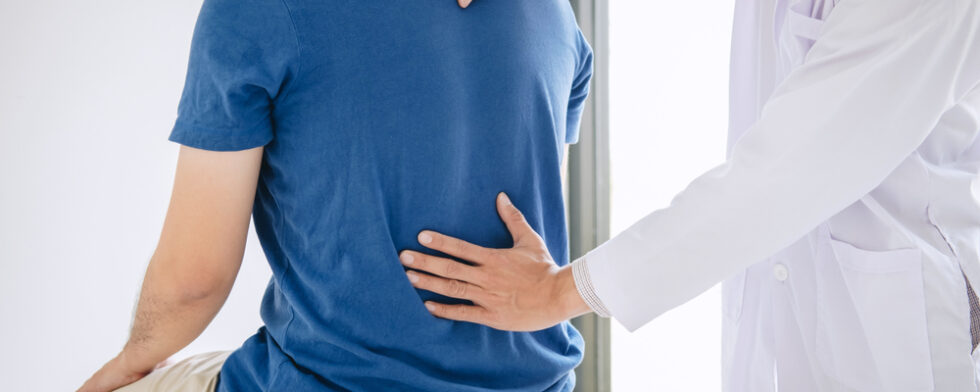
A bulging disc in the lower back occurs when the soft inner portion of a spinal disc extends beyond its normal boundary, potentially pressing on nearby nerves. Treatment focuses on reducing pain, improving function, and preventing further damage. Most cases improve with conservative care, while severe or persistent cases may require advanced interventions.
Conservative Treatments
Many people respond well to non-surgical approaches.
- Rest and activity modification – Avoid heavy lifting, twisting, and prolonged sitting to reduce disc pressure
- Cold and heat therapy – Ice can reduce inflammation, while heat relaxes muscles and improves circulation
- Pain medications – Over-the-counter anti-inflammatories or muscle relaxants can help manage discomfort
- Physical therapy – Exercises to strengthen core muscles, improve posture, and increase spinal stability
- Chiropractic care – Gentle spinal adjustments or decompression therapy may relieve nerve pressure in selected patients
Targeted Exercises
Specific exercises can relieve pain and support healing.
- McKenzie extension exercises – Reduce pressure on the disc and improve alignment
- Core strengthening – Planks, bridges, and gentle abdominal exercises protect the spine
- Stretching – Hamstring, hip flexor, and lower back stretches relieve tension
- Low-impact aerobic activity – Walking, swimming, or cycling increases blood flow to the spine
Always perform exercises under guidance if pain is significant or mobility is limited.
Advanced Treatments
For patients who do not improve with conservative care…
- Spinal decompression therapy – Non-surgical traction reduces disc pressure and nerve irritation
- Epidural injections – Corticosteroids may reduce inflammation and nerve pain
- Surgical intervention – Procedures such as discectomy or microdiscectomy are considered for severe nerve compression, weakness, or bladder/bowel symptoms
Lifestyle Changes For Long-Term Recovery
Maintaining spinal health prevents recurrence.
- Maintain a healthy weight to reduce pressure on discs
- Practice proper lifting techniques and posture
- Incorporate regular exercise and stretching into your routine
- Avoid smoking, as it impairs disc healing and circulation
When To See A Doctor
Seek professional evaluation if you experience…
- Persistent or worsening pain
- Numbness, tingling, or weakness in the legs
- Loss of bladder or bowel control
- Pain that does not improve with conservative care after several weeks
Fixing a bulging disc in the lower back usually starts with conservative treatments such as rest, physical therapy, targeted exercises, and pain management. Advanced therapies like spinal decompression or surgery are reserved for severe or persistent cases. Lifestyle changes and proper body mechanics are essential for long-term recovery and prevention of future disc problems.