
Does Sitting All Day Compress Your Spine?
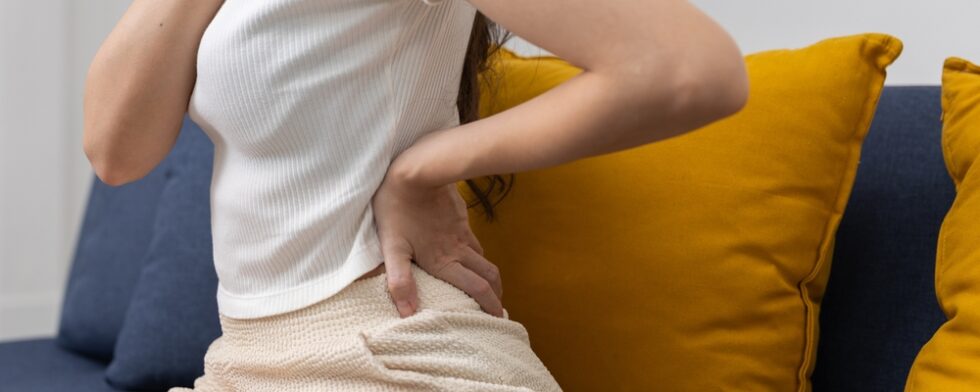
Sitting for long hours is common in modern work and daily life, especially for desk jobs. Many people experience back stiffness or pain and wonder if sitting all day actually compresses the spine. The short answer is yes, prolonged sitting can increase spinal compression and contribute to disc and posture problems over time.
How Sitting Affects Spinal Compression
Your spine is designed to move and distribute load through standing, walking, and changing positions. Sitting alters this natural balance.
- Sitting increases pressure on spinal discs compared to standing
- Slouched posture shifts body weight forward onto the discs
- Prolonged static positions reduce natural spinal movement
Research shows that sitting can place more pressure on the lumbar discs than standing, especially when posture is poor. Over time, this pressure contributes to disc compression and fatigue.
Impact On Spinal Discs
Spinal discs act as cushions between vertebrae. They rely on movement to absorb nutrients and maintain hydration.
- Extended sitting reduces disc fluid exchange
- Compressed discs lose height temporarily during the day
- Reduced disc hydration may increase stiffness and discomfort
This is why many people feel slightly shorter or stiffer after a full day of sitting. The spine usually recovers overnight, but repeated daily compression can contribute to disc bulges or degeneration over time.
Posture Makes A Big Difference
How you sit matters as much as how long you sit.
- Slouching increases disc pressure and spinal strain
- Forward head posture stresses the neck and upper back
- Lack of lumbar support flattens the natural spinal curve
Even short periods of poor posture can significantly increase spinal compression compared to sitting upright with proper support.
Muscle & Joint Effects
Sitting all day not only affects discs. Muscles and joints also play a role.
- Core and back muscles become less active
- Hip flexors tighten and pull the pelvis forward
- Reduced movement leads to joint stiffness
These changes increase load on the spine and reduce its ability to handle compression efficiently.
Who Is Most At Risk
Some people are more affected by prolonged sitting than others.
- Office workers with limited movement breaks
- People with existing disc problems or back pain
- Those using non-supportive chairs or workstations
- Individuals with weak core strength
For these groups, sitting-related spinal compression can worsen symptoms more quickly.
How To Reduce Spinal Compression While Sitting
You can reduce the effects of spinal compression with simple adjustments.
- Sit with feet flat and hips slightly higher than knees
- Use lumbar support to maintain the natural curve
- Take standing or walking breaks every 30 to 60 minutes
- Alternate between sitting and standing if possible
- Stretch the hips back and spine regularly
Sitting for extended periods can compress your spine, especially when your posture is poor and movement is limited. Prolonged sitting increases disc pressure, reduces hydration, and stresses supporting muscles. While short-term compression is normal, repeated daily exposure can contribute to back pain and disc problems. Proper posture, regular movement, and ergonomic support are crucial for maintaining spinal health.