
Does A Bulging Disc Ever Heal Itself?
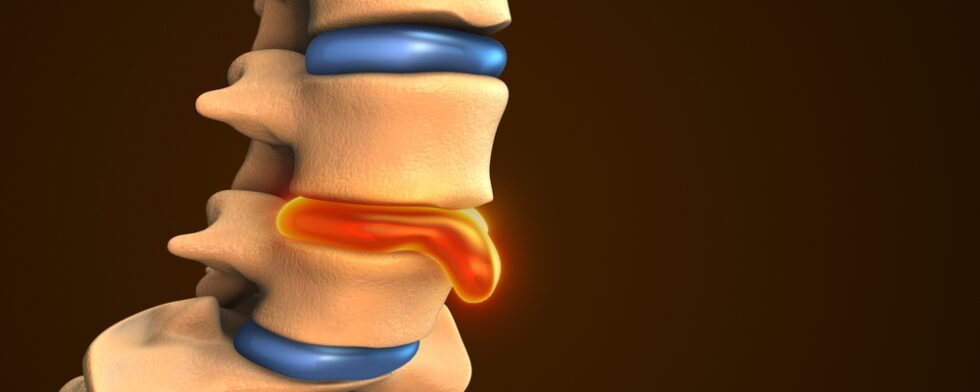
A bulging disc occurs when a spinal disc extends beyond its normal boundary without rupturing. Many people diagnosed with a bulging disc wonder if it can heal on its own without surgery or invasive treatment. In many cases, the answer is yes, but recovery depends on several important factors.
How A Bulging Disc Heals Naturally
A bulging disc is not the same as a herniated disc. The outer disc fibers remain intact, which allows the body to recover more effectively.
- Inflammation around the disc may gradually decrease
- Muscles around the spine adapt and provide better support
- Swelling that presses on nerves can subside over time
With reduced inflammation and improved spinal stability, symptoms such as pain stiffness, or tingling often improve within weeks to months.
Typical Healing Timeframe
Healing timelines vary depending on severity and lifestyle factors.
- Mild bulging discs may improve within 4 to 6 weeks
- Moderate cases often improve within 2 to 3 months
- Some cases may take 6 months or longer for full symptom relief
While pain may resolve earlier, disc tissue remodeling can continue for several months.
Factors That Affect Healing
Several elements influence whether a bulging disc heals on its own.
- Age and overall disc health
- Activity level and movement quality
- Posture during sitting, standing, and sleeping
- Body weight and core strength
- Smoking and poor circulation
People who stay active with proper movement and avoid excessive spinal strain tend to recover more efficiently.
What Helps A Bulging Disc Heal
Natural healing can be supported with conservative care.
- Gentle exercise, such as walking or guided physical therapy
- Postural correction during daily activities
- Core strengthening to stabilize the spine
- Heat or cold therapy for symptom relief
- Short-term activity modification
These approaches reduce stress on the disc while allowing normal movement needed for healing.
What Can Slow Or Prevent Healing
Certain habits may delay recovery or worsen symptoms.
- Prolonged sitting without breaks
- Heavy lifting or repetitive bending
- Poor posture and weak core muscles
- Ignoring pain signals and pushing through discomfort
Repeated compression and strain can prevent the disc from stabilizing.
When A Bulging Disc Does Not Heal On Its Own
Not all bulging discs resolve naturally.
- Persistent nerve compression may cause ongoing pain
- Progression to a disc herniation may occur
- Chronic inflammation can lead to lasting discomfort
If symptoms worsen or do not improve after a few months, professional evaluation is recommended.
When To Seek Medical Care
Immediate medical attention is needed if symptoms include.
- Increasing weakness in arms or legs
- Loss of bowel or bladder control
- Severe pain that does not respond to conservative care
A bulging disc can often heal itself with time, proper movement, and supportive care. Most people experience significant improvement without surgery. Yet, recovery depends on lifestyle habits, symptom severity, and spinal health. Early management and avoiding excessive strain greatly improve the chances of full recovery.