
What Can You Not Do After Spinal Decompression?
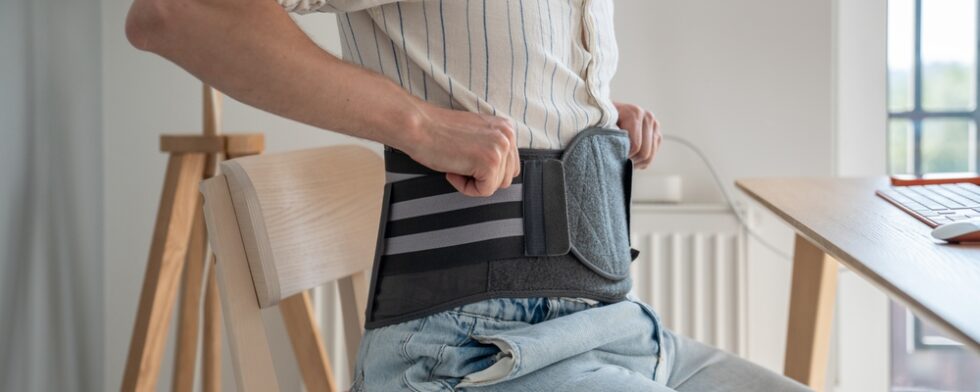
Spinal decompression helps relieve pressure on discs and nerves, reduces pain, and improves mobility. After treatment, certain activities can interfere with recovery or cause injury. Understanding what to avoid and how to support your spine is necessary.
Heavy Lifting & Strenuous Exercise
Avoid lifting heavy objects, performing high-intensity workouts, or exercises that strain the back. These activities can put excessive pressure on the spine, reduce the benefits of decompression, and increase the risk of disc injury or muscle strain.
Twisting & Sudden Movements
The spine is temporarily more flexible after decompression. Avoid sudden twisting, bending, or jerking motions as they can stress muscles, ligaments, and discs, leading to pain or nerve irritation.
Prolonged Sitting & Poor Posture
Extended periods of sitting with a slouched posture can increase spinal pressure. Maintain an upright position, use supportive chairs, and take frequent breaks to walk or stretch. Proper posture helps sustain decompression benefits.
High Impact Activities
Activities such as running, jumping, or contact sports should be avoided immediately after decompression. The spine needs time to stabilize, and high-impact movements can aggravate discs or nerves.
Ignoring Pain Or Discomfort
Pain, tingling, or numbness should not be ignored. Overexerting yourself or continuing activities despite discomfort can worsen nerve irritation, delay healing, or trigger new injuries. Consult a healthcare professional if symptoms persist.
Driving Long Distances
Prolonged driving can strain the back due to sitting and vibration. Limit driving, use lumbar support, and take frequent breaks to walk and stretch to avoid increasing spinal pressure.
Safe Practices After Spinal Decompression
- Engage in gentle walking or low-impact activities to maintain mobility
- Perform recommended stretching and strengthening exercises guided by a physical therapist
- Use supportive seating and maintain good posture throughout daily activities
- Sleep on a medium-firm mattress in a neutral spine position
- Stay hydrated and follow a healthy diet to support tissue healing
After spinal decompression, avoid heavy lifting, twisting, high-impact exercise, prolonged sitting, and ignoring pain. Incorporating gentle movement, posture awareness, and safe daily habits helps protect the spine, support healing, and maintain long-term benefits from decompression therapy.