
How Serious Is A Bulging Disc In Your Back?
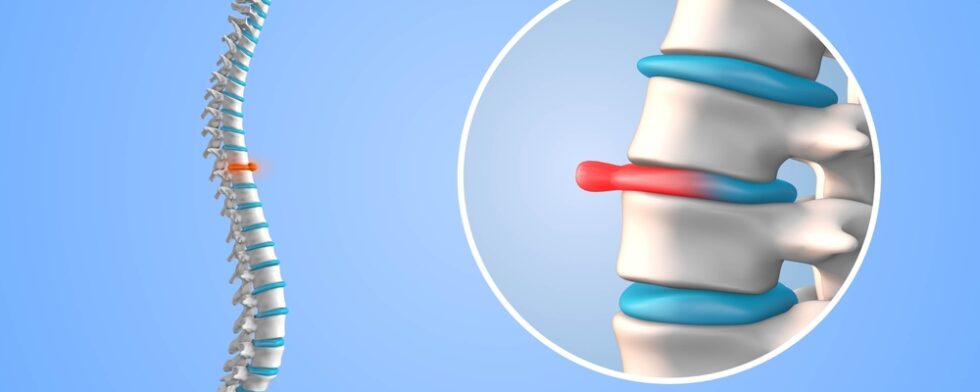
A bulging disc occurs when the soft inner material of a spinal disc pushes outward. It can press on nearby nerves, causing pain, numbness, or weakness. The seriousness of a bulging disc depends on its location, size, and the degree of nerve involvement.
Common Symptoms
Most bulging discs cause mild to moderate symptoms. These include…
- Localized back or neck pain that worsens with movement
- Radiating pain to the arms, legs, or buttocks
- Numbness or tingling in the extremities
- Muscle weakness in affected areas
- Stiffness and reduced mobility
Symptoms may fluctuate depending on activity levels and posture.
Signs The Condition Is Serious
A bulging disc becomes more serious when it affects nerve function or spinal stability. Warning signs include…
- Persistent or severe pain that limits daily activities
- Increasing numbness or tingling in limbs
- Weakness in arms or legs
- Loss of bladder or bowel control
- Difficulty walking or maintaining balance
These symptoms may indicate nerve compression or a condition like cauda equina syndrome, which requires urgent medical attention.
Factors Affecting Severity
- Location – Cervical and lumbar discs are more likely to compress nerves.
- Size – Larger protrusions exert more pressure on surrounding structures.
- Spinal health – Existing conditions such as arthritis or degeneration increase risk.
- Activity level – High-impact or repetitive movements may worsen the bulge.
Treatment Options
Most bulging discs improve with conservative treatment. Effective approaches include…
- Physical therapy to strengthen supporting muscles and improve flexibility
- Pain management with over-the-counter medications, heat, or cold therapy
- Chiropractic care or spinal decompression under professional supervision
- Lifestyle adjustments, including proper posture, weight management, and ergonomics
- Surgery is performed in severe cases when nerve compression causes persistent pain or dysfunction
Recovery Span
With appropriate care, many patients recover fully from a bulging disc. Early diagnosis and consistent treatment can prevent permanent nerve damage and reduce the risk of chronic pain. Following professional guidance and avoiding activities that exacerbate the condition improves recovery and prevents recurrence.
A bulging disc in the back can range from mild discomfort to serious nerve compression. Most cases respond well to non-surgical treatment, but severe symptoms such as persistent pain, weakness, or loss of bladder or bowel control require immediate medical attention. Timely care and lifestyle adjustments are essential for recovery and long-term spinal health.